
VOCALS SERIES PART IV: MY SINGING MODELS THROUGHOUT THE YEARS.
September 14, 2020 § Leave a comment
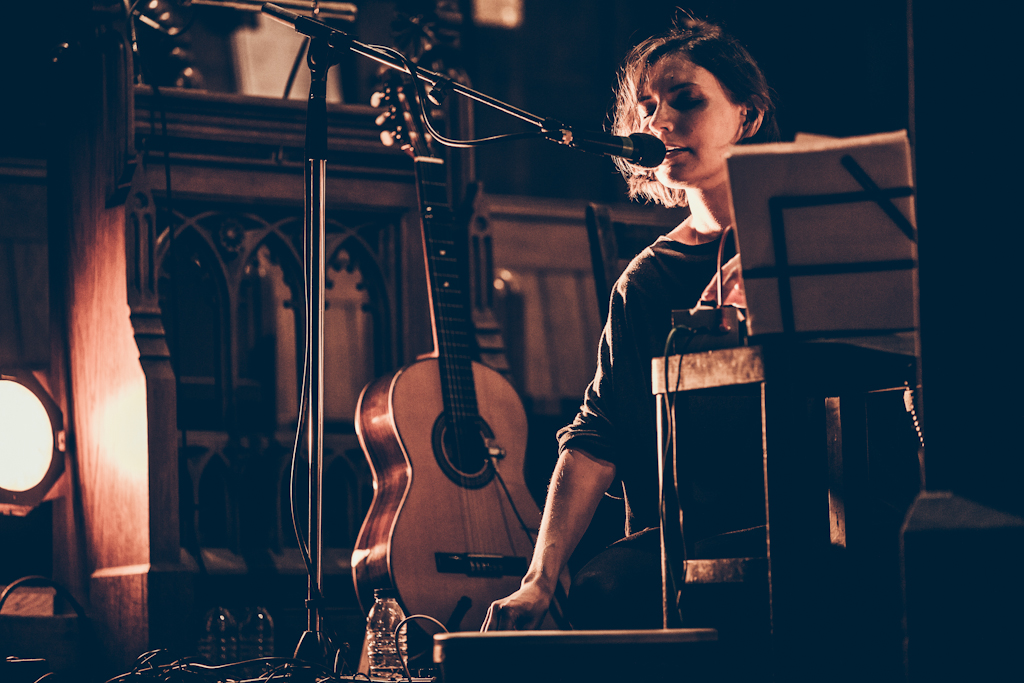
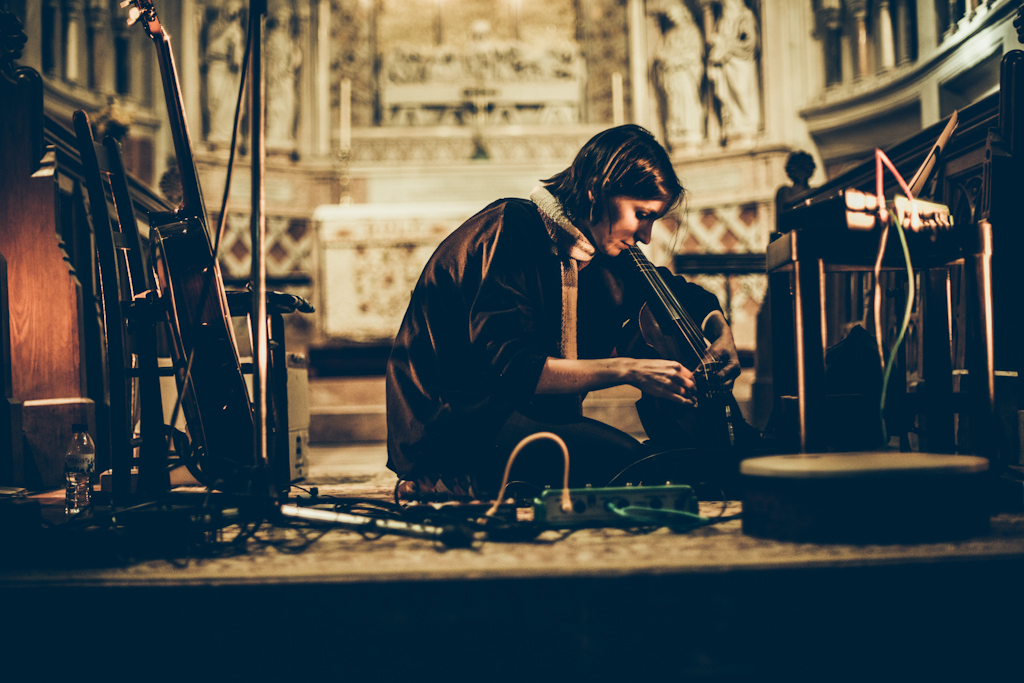
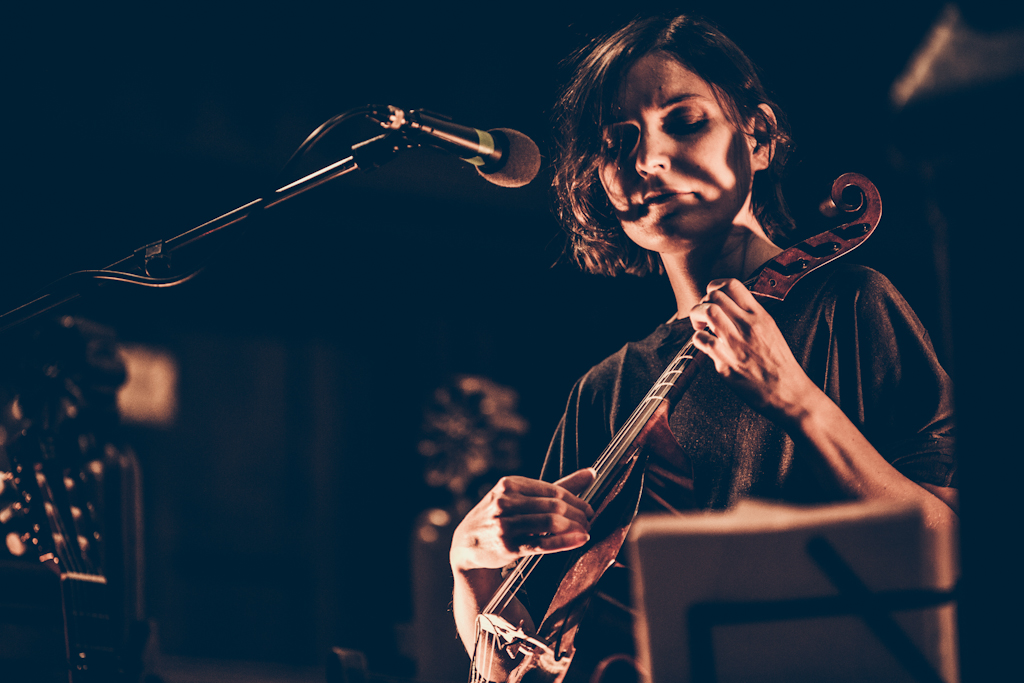
I said I started singing in late 2009, but that’s not completely accurate: around 1992-1994, I would sing in the bathroom of my home in France, during the only couple of hours I had alone once a week. Bowie’s Ziggy Stardust, the Beatles, the Pixies, PJ Harvey… That phase didn’t last very long, as I felt my calling was composing on the guitar. One of the last songs I tried to sing was @lowtheband Low’s “Lullaby”, after being blown away by their first album, which defined a pivotal year for me, in which I turned 18, left home for university and lost my brother.
I am mentioning Low not just because of that one song and album, but also because I have weirdly come full circle by singing their songs again for the past year and a half. If I were pushed to choose a “favourite female vocalist”, I would choose Mimi Parker, as her singing combines qualities that are rarely associated: pure yet deep, expressive yet devoid of affectation, skilled in the most unshowy way (how can she hold notes *that* long?). The combination of her voice with that of Alan Sparhawk makes for one of the most inspirational sounds I’ve ever heard, even from an instrumental point of view (I sometimes check on a keyboard what notes each one of them is singing, because the harmonies are so interesting). Singing their songs again has felt rewarding and soothing, an experience akin to meditating.
Back in 2010, my models mostly came from folk/traditional music, especially Shirley Collins. Was it because of the purity of her delivery, and the way that these songs can be sung without accompaniment? I also sang songs from the catalogues of Vashti Bunyan, Pentangle, Anne Briggs, Jean Ritchie. I later spent time learning Moondog songs when it seemed I might do a cover version project of his repertoire. Recently I’ve also paid attention to the wonderful twists and turns of Sibylle Baier’s singing on her only wonderful release.
While don’t think that I “import” any of these singing styles straight into my music, I do believe ultimately these threads of inspiration resurface.

c by @veramarmelo, Captain of none show at @galeriazedosbois , Lisbon, Portugal, 2015.
VOCAL SERIES PART III: HOW I PRACTICE AND A FEW THOUGHTS ON BEING SELF-TAUGHT.
September 8, 2020 § Leave a comment
For better and for worse, I’m a mostly self-taught music-maker. For worse, because I’m aware that a great teacher can pass on invaluable knowledge, help you avoid injury or strain, and in general help you be more efficient and faster in your learning process. For better, because I do feel that self-teaching is perhaps what best corresponds to a certain type of non-conformist, strongly independent personality holding non-mainstream aesthetic values. I was not born into a musical family, and don’t hold fantasies about what it would have been like if that had been the case and I had, for instance, learnt an instrument in the traditional way: would I have ended up doing more or less the same thing I do now, but with extra technical and theoretical knowledge that would have made it even “better”? Perhaps, and then perhaps not.
One thing’s for sure, I’ve always *loved* learning, and even as a child I preferred doing this on my own. This didn’t make me especially well-adjusted socially perhaps, but I also hold no regrets about that: I’m convinced what we do is always the end result and sum total of the entire path that’s led us to where we are at a given point of creation.

Onto how I practice my vocals: in 2010, after searching all over the internet for help on how to train my voice, given it was painfully clear to my ears and throat that what I was doing instinctively was not right, I ended up settling on some exercises proposed on the Youtube channel of vocal coach Eric Arceneaux , and I still use these today whenever I want to sing. When I had a dedicated music studio outside of my home I would do these with my piano, but since I no longer have that studio, nor the piano, the way I like to do this now is sitting on a zabuton and zafu, with a glockenspiel to guide me. And since my cat Klee does not like being in the studio, I now usually do this in my living room so he can sit next to me – it’s especially lovely when I sing and he purrs at the same time! :-)
I still have a lot to learn singing-wise, and would also love to fuse my yoga practice with my singing practice.
VOCALS SERIES PART II: THE INSTRUMENTALIST WHO SANG, AN ARTHUR RUSSELL EPIPHANY
August 31, 2020 § Leave a comment
(AND INTRODUCING KLEE :-)
The Colleen project was purely instrumental in its first phase of life for three albums and one ep, and it was only in late 2009/early 2010, as I was slowly coming out of a nearly 2-year-long creative hibernation, that I realized I really, really wanted to sing. However, something also really, really bugged me: I knew I didn’t want to turn into a singer-songwriter, but when I thought of the music I had already made, I couldn’t really hear a voice “on top of it”, as it were. And yet I did have a couple of clues: on the Les ondes silencieuses album, the clarinet melody on “Sun against my eyes” was first born as a vocal hum. Well then, wasn’t that proof that it could have been vocals instead of a clarinet? I wasn’t fully convinced, and that’s when Arthur Russell’s music entered my life.
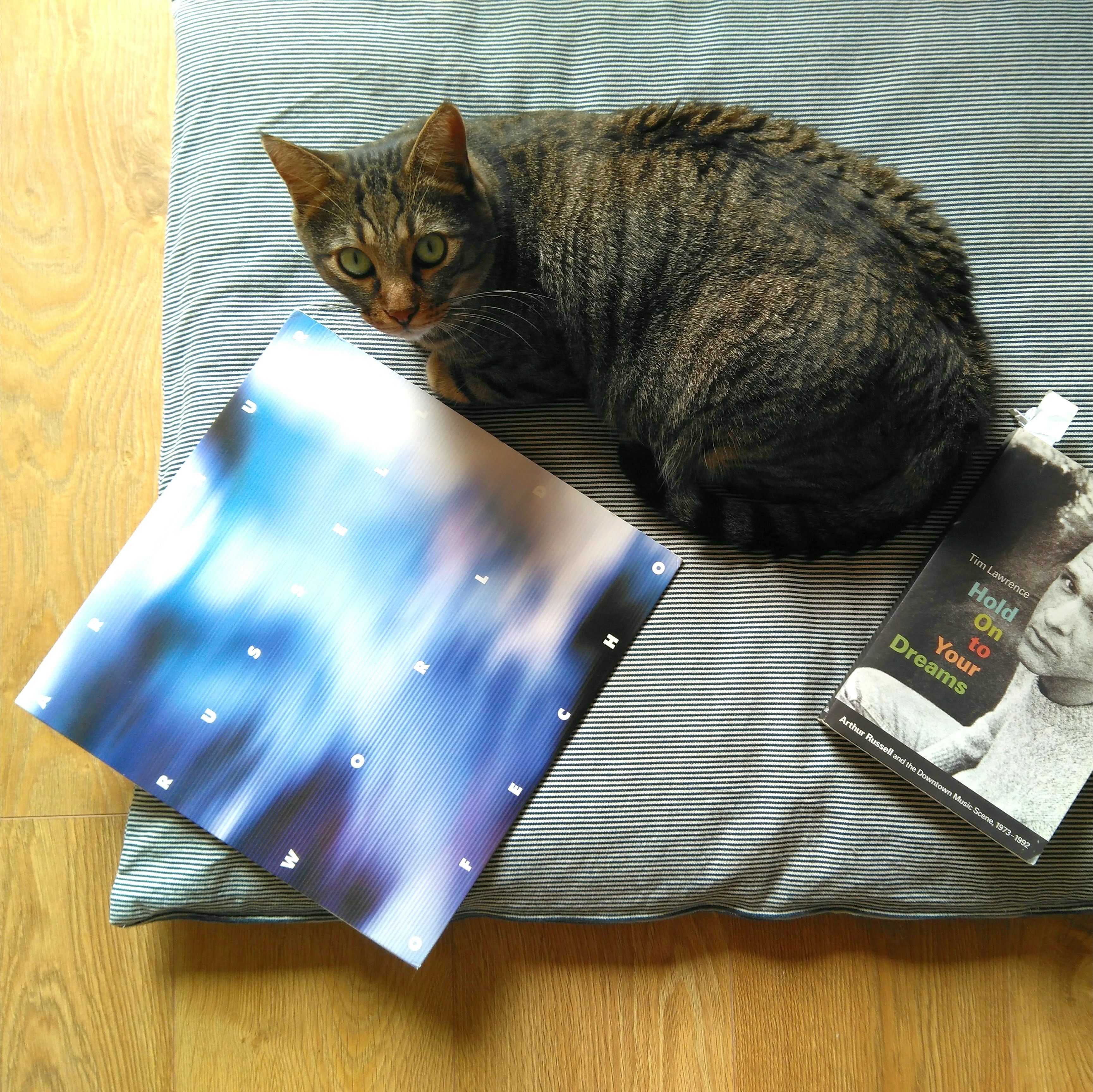
I will always remember the spring of 2010: listening to all of his output available at that time, on repeat, and reading Tim Lawrence’s absolutely amazing biography “Hold on to your dreams”. All of a sudden a new path lay clearly in front of me, and the parallel was all the more striking given my main instrument was the viola da gamba: of course it was possible to make experimental-but-melodic music sometimes with a voice, sometimes without a voice. Of course I could use effects, using them did not mean I was not a “real” musician needing to hide behind them. And most crucial of all: there is never any need for justification for one’s own artistic decisions. The notion that some hypothetical others were out there waiting to question me about why I added this or substracted that from my music existed purely within my head, and what a liberation and a big step forward it was once I understood that.
And allow me to introduce the real sweetie of the house, Klee! Unlike Sol, Klee does not wish to coproduce my next album, hence his absence on this feed so far. When he does set paw in the studio, it is to whine loudly, asking for his preferred activity: cuddles, preferably with prolonged, intense eye contact… which is of course incompatible with my studio time! :-)))
VOCALS SERIES PART I: TEN YEARS OF SINGING NOT LIKE A PRO
August 29, 2020 § Leave a comment
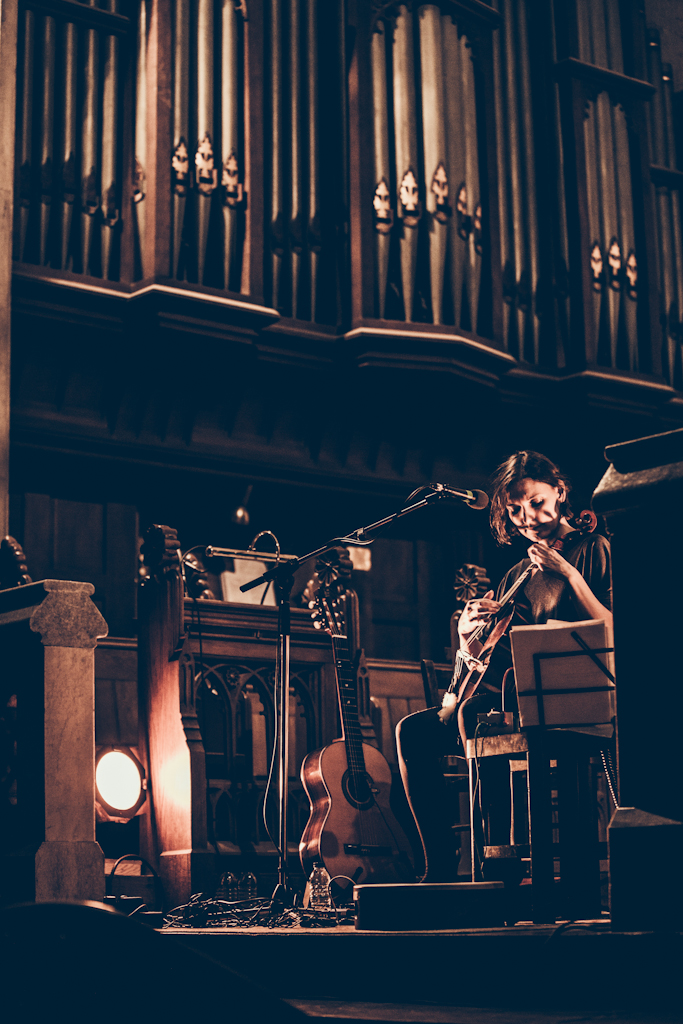
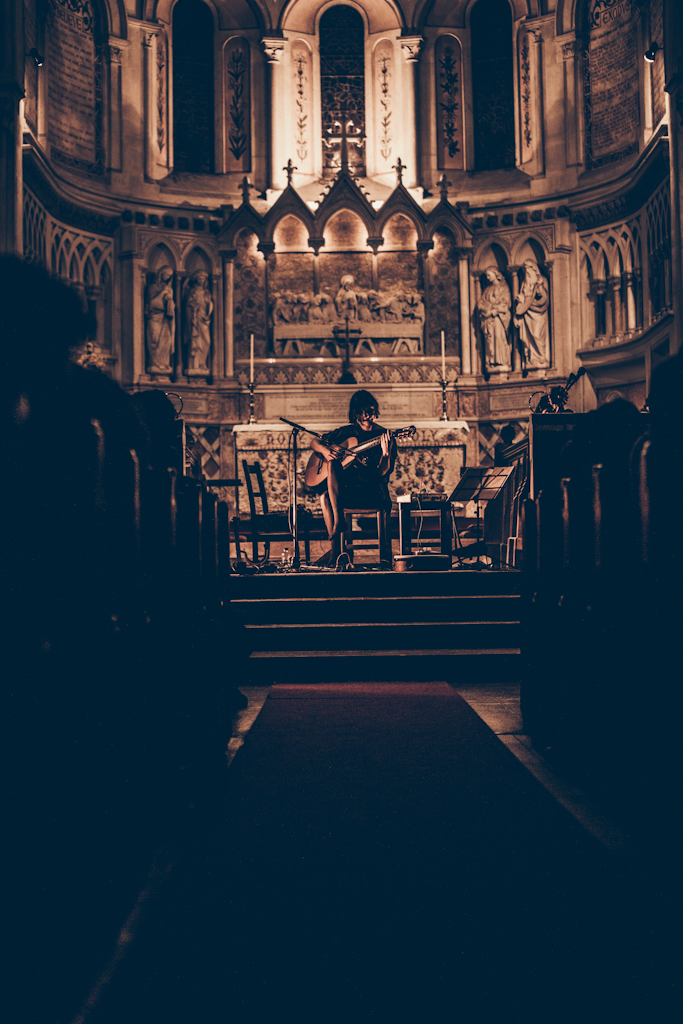
MY METHOD TO ENSURE VARIETY ON AN ALBUM MADE WITH A MINIMAL SETUP.
August 22, 2020 § Leave a comment
Work on my 7th album is finally picking up speed and given that I’m in the exciting thick of the creative process, I wanted to share with you the main way in which I deal with one of the most obvious pitfalls of working with a very minimal setup: lack of variety of sound (I consider it an issue because I do want variety of sound – I totally understand that other musicians will instead strive for a continuity in sound).
I adopted this approach when I started work in 2015 on my first truly electronic album, “A flame my love, a frequency”. I had strong doubts about moving to an all-electronic setup, but what ended up keeping my fear in check was twofold: 1) realizing I was still going to make a weird type of song-based music 2) the main electronic references I had in mind were really old school (Delia Derbyshire and Raymond Scott), and while I wasn’t going to try and mimic those sounds, it helped to define what I did *not* want, and from there I set to obsessively trying (almost) every single combination possible with my 4-piece setup (Moogerfoogers MF104M and MIDIMuRF, and Critter and Guitari Pocket Piano and Septavox). What ended up on the album was the distillation of song form combined with the sounds that most resonated with me, and – the method : -) – I kept a table in a word document with precise data on what the technical settings were for each song. In this way, I *knew* objectively – not vaguely *thought* or *felt* – that I had a varied sound spectrum and therefore feel for each song.
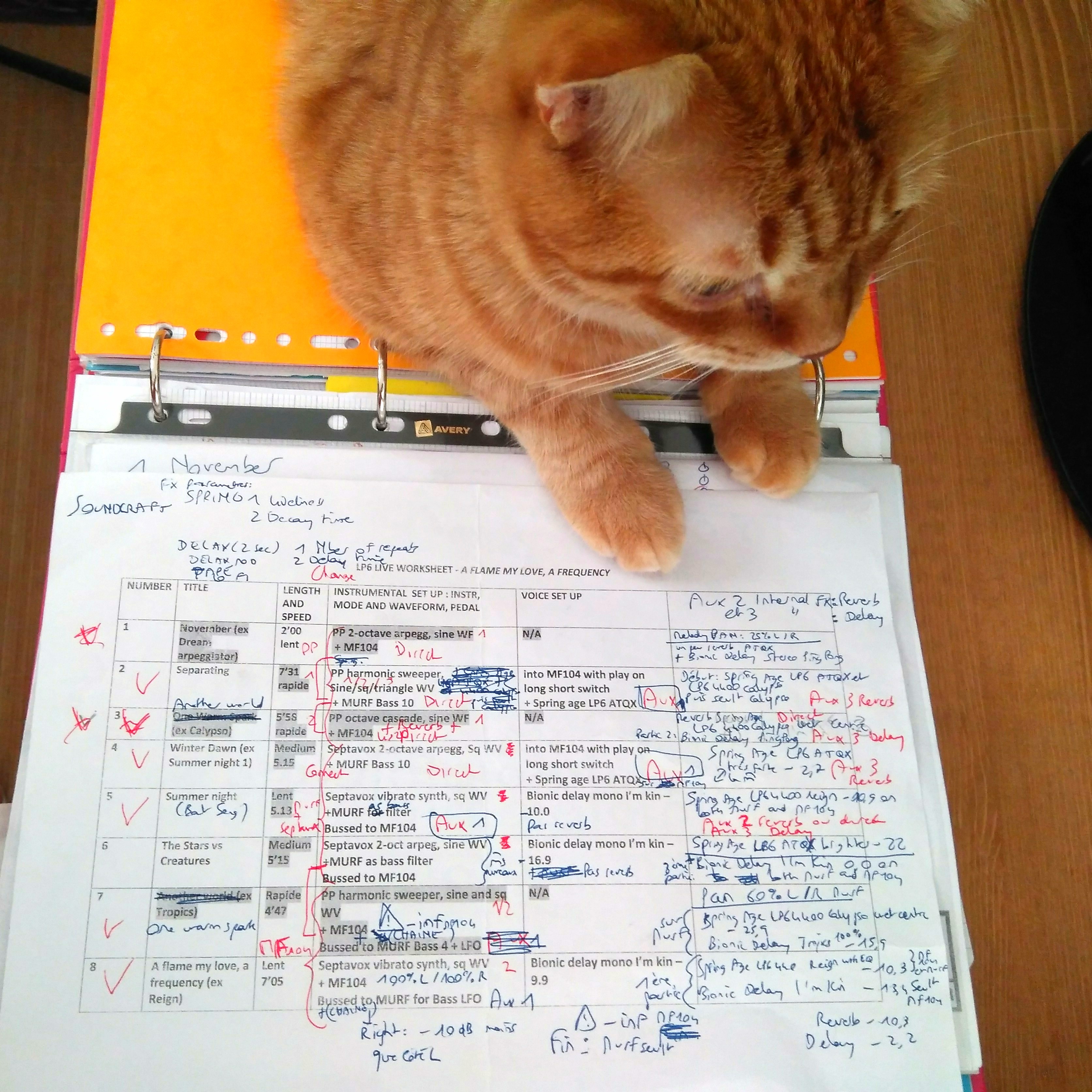
The main column indicates the synth used and its two main settings (mode and waveform) and the pedal(s) and any Bussing info. I also kept info on length of song and approximate tempo, voice effect setup, and plugins. As work on the album progressed, looking at the table helped me make sense of the whole and the individual parts, and how they needed to balance each other out in terms of tracklisting order. I am once again using this strategy for this 7th album, with one more criterion (more about it once the album is out).
I hope this might have proved of interest (and now fans of the Septavox and Pocket Piano know which modes and settings I used for each song! :-)
 colleen